Don't Toss It! Creative Answers to What To Do With Leftover Buttermilk
You’ve done it. You bought a whole quart of buttermilk for that one recipe – perhaps a batch of fluffy pancakes, a classic Southern fried chicken, or some flaky biscuits. Now, a significant portion of that carton is sitting in your fridge, and you're staring at the expiration date, wondering, what to do with leftover buttermilk? Rest assured, you're not alone in this culinary dilemma. Many home cooks find themselves with this tangy, versatile ingredient long after their initial recipe is complete.
The good news? Buttermilk is a surprisingly resilient and adaptable dairy product. Unlike regular milk, its fermentation process gives it a longer shelf life, often remaining fresh well beyond its printed date. More importantly, its unique flavor profile and scientific properties make it a star in both sweet and savory applications, far beyond the usual suspects. From moist baked goods to zesty marinades, the possibilities for using up that extra half-quart are truly abundant. Let’s dive into a world of delicious ideas for your leftover buttermilk!
Sweet Sensations: Indulge Your Cravings with Leftover Buttermilk
Buttermilk's acidity is a secret weapon in baking. It reacts with baking soda to create lift and tenderness, while its lactic acid contributes to an incredibly moist crumb and a subtle, pleasant tang that balances sweetness without being overtly sour. If you’re asking yourself what to do with leftover buttermilk when a sweet craving strikes, these ideas are sure to inspire:
Heavenly Cakes and Loaves
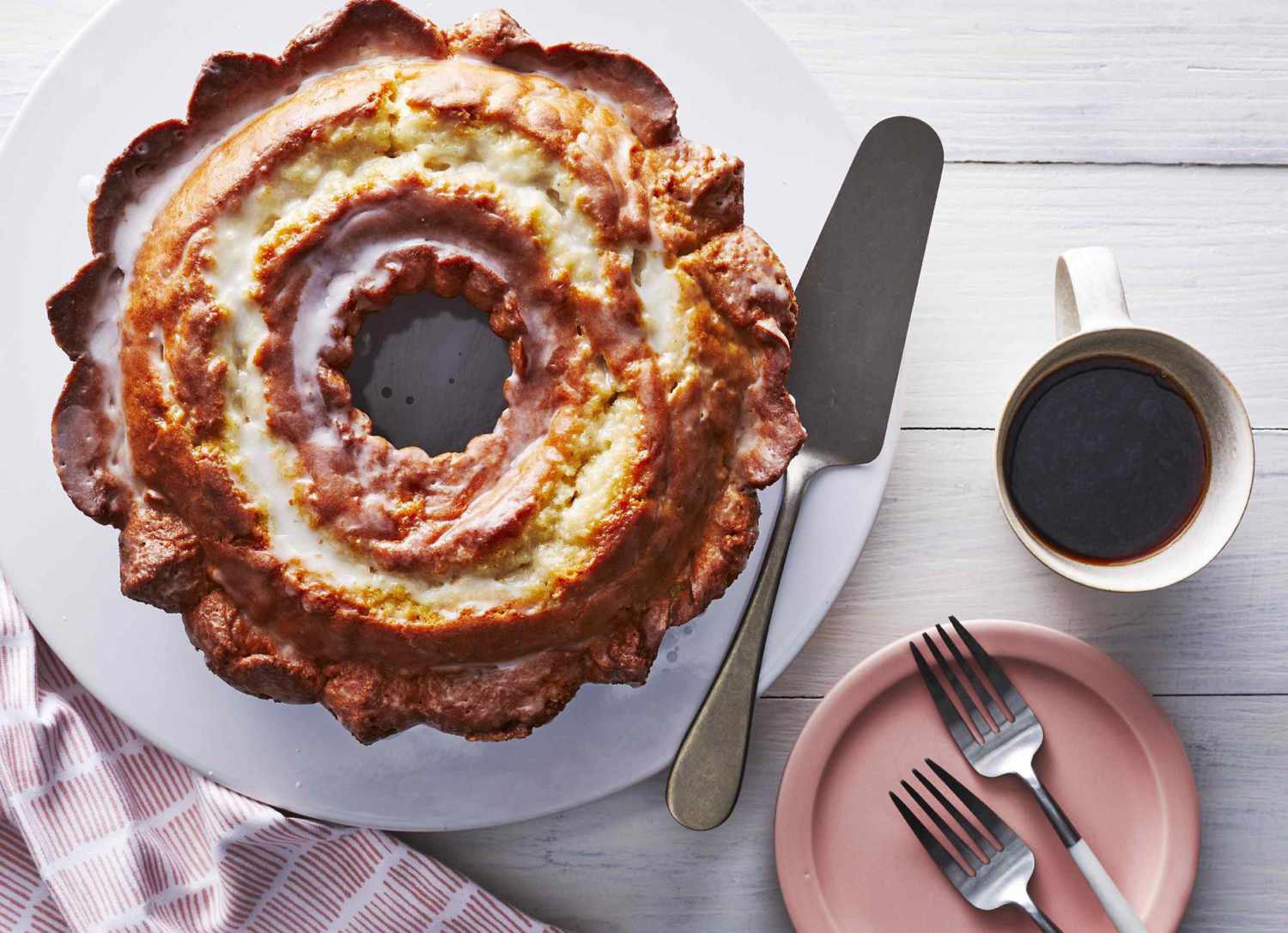
Elevate your dessert game with buttermilk. A Buttermilk Cappuccino Cake, for instance, transforms the humble buttermilk into a rich, coffee-infused masterpiece. The buttermilk cuts through the sweetness, ensuring a balanced flavor, while coffee syrup keeps it exceptionally moist. Similarly, a Gluten-Free Buttermilk Pound Cake showcases buttermilk's ability to create a delicate, tender texture perfect for a light dessert. Mix in seasonal berries for an extra burst of flavor and color.
Moist Muffins and Quick Breads
For a quicker bake, buttermilk is unparalleled in muffins and quick breads. Take Apple Buttermilk Muffins, where the buttermilk imparts a super-moist, pillowy crumb. Coupled with warm spices like cinnamon and nutmeg, and chunks of sweet apples, these make for an irresistible breakfast or snack. You can adapt many standard muffin recipes to include buttermilk, often replacing some of the regular milk or adding a little baking soda to account for the acidity.
Tender Cookies and Biscuits
Beyond the classic buttermilk biscuit, this ingredient lends incredible tenderness to cookies. Lemon Sunshine Cookies, for example, get their soft texture from buttermilk, complementing the double dose of lemon flavor from zest and juice. The result is a bright, cheerful treat perfect for any day. And of course, no discussion of sweet buttermilk baking is complete without mentioning pancakes and waffles – the ultimate way to use up a substantial amount of buttermilk for a weekend breakfast feast.
Savory Delights: What To Do With Leftover Buttermilk Beyond the Fryer
While Southern fried chicken and ranch dressing are iconic uses, buttermilk's savory applications extend much further. Its acidity helps tenderize meats, brightens rich flavors, and adds depth to dressings and soups. If you're pondering what to do with leftover buttermilk for dinner or a flavorful side, consider these:
Perfect Cornbread and Skillet Breads
Buttermilk is a cornerstone of many cornbread recipes. Its acidity is key to achieving that perfect texture – whether you prefer a classic, unsweetened Southern-style cornbread or a sweeter, cake-like Northern version. Buttermilk contributes both flavor and assists with the rise, particularly when paired with baking soda. Elevate your basic cornbread with additions like jalapeño and pepper jack cheese, or the smoky-sharp combination of cheddar, scallion, and bacon. For an extra special touch, try a tender, nutty brown butter cornbread.
Bright Soups and Creamy Dressings
Buttermilk can transform a simple soup into something extraordinary. A Roasted-Broccoli Soup, for example, benefits immensely from a dose of buttermilk, which provides a bright acidity that cuts through the richness and adds a necessary layer of complexity. The creamy texture and tangy notes make it wonderfully satisfying. Similarly, buttermilk forms the base of many delicious salad dressings, lending a freshness that can't be replicated. Think beyond ranch – experiment with herb-packed vinaigrettes or creamy cucumber dressings.
Marinades and Brines
This is where buttermilk truly shines for savory applications. Its lactic acid is a fantastic tenderizer for meats like chicken, pork, and even fish. A buttermilk marinade will gently break down tough protein fibers without making the meat mushy, resulting in incredibly juicy and flavorful results. It also helps coatings adhere better, making it perfect for breaded cutlets or tenders. Try marinating chicken breasts for a few hours before grilling or pan-frying for an astonishingly tender meal.
Quick Sauces and Dips
A little buttermilk can go a long way in brightening up a sauce. Stir a tablespoon or two into gravies or pan sauces at the very end of cooking to add a subtle tang and creamy texture. It can also form the base of quick, refreshing dips for vegetables or chips, perhaps with a mix of fresh herbs and spices.
The Science Behind the Magic: Why Buttermilk is a Baker's Best Friend
Understanding why buttermilk is so effective helps unlock even more creative uses. Buttermilk isn't just regular milk gone sour; it's a fermented dairy product with specific properties that make it invaluable in the kitchen:
- Acidity and Leavening: The primary reason buttermilk is a star in baking is its acidity (a pH between 4.4 and 4.8). This acidity reacts with alkaline ingredients like baking soda, producing carbon dioxide gas. This gas creates bubbles, which give baked goods their light, airy, and tender texture. When a recipe calls for buttermilk, it's often designed to take advantage of this chemical reaction.
- Moisture and Tenderness: The lactic acid in buttermilk not only contributes to its tangy flavor but also helps to break down gluten strands in flour. This results in a softer, more tender crumb in cakes, muffins, and biscuits. The slight thickness of buttermilk also adds richness and moisture to baked goods, preventing them from drying out.
- Flavor Enhancement: Buttermilk offers a distinct tangy, slightly tart flavor that adds depth and complexity to both sweet and savory dishes. It balances sweetness, brightens other flavors, and provides a refreshing counterpoint to richness. This unique flavor is hard to replicate with other ingredients.
Maximizing Your Buttermilk: Storage and Smart Swaps
One common concern is the belief that buttermilk spoils quickly. While it is a dairy product, its fermentation process actually gives it a significantly longer shelf life than regular milk. Often, it remains good for weeks, even past its printed "best by" date, as long as it smells fresh and shows no signs of spoilage. Don't be too quick to toss it out!
To truly get the most out of your purchase and eliminate the "what to do with leftover buttermilk" stress, consider these practical tips:
- Freeze It! Buttermilk freezes beautifully. Pour any excess into ice cube trays and freeze until solid. Once frozen, transfer the cubes to a freezer-safe bag or container. When a recipe calls for buttermilk, simply thaw the required amount. While the texture might separate slightly upon thawing, a quick whisk will bring it back together, and it will perform perfectly in baking and cooking.
- Small Swaps, Big Impact: Don't limit buttermilk to specific "buttermilk recipes." A splash of buttermilk can replace regular milk in many preparations. Try it in:
- Scrambled Eggs: A tablespoon or two stirred into eggs before scrambling makes them incredibly fluffy and tender.
- Mashed Potatoes: Use buttermilk instead of regular milk or cream for a tangy, lighter version of mashed potatoes.
- Smoothies: Add a quarter-cup to your morning smoothie for a creamy texture and a probiotic boost.
- Breading Station: For fried fish or chicken, use buttermilk as the wet component in your breading station for extra tenderizing and adhesion.
- Buttermilk Substitute (If You Run Out): If you find yourself needing buttermilk but only have regular milk, you can make a quick substitute. Add one tablespoon of lemon juice or white vinegar to a measuring cup, then fill the rest of the way to one cup with regular milk. Let it sit for 5-10 minutes until it slightly curdles. While it won't have the exact flavor profile or thickness of true buttermilk, it will provide the necessary acidity for baking.
For more fantastic ideas and to continue exploring the versatility of this ingredient, you might want to check out what to do with leftover buttermilk - Article 1 and what to do with leftover buttermilk - Article 3.
Conclusion
From tangy cakes and moist muffins to tenderizing marinades and zesty soups, the answer to what to do with leftover buttermilk is never to let it go to waste. Its unique acidic properties, coupled with its distinct flavor, make it a valuable asset in both sweet and savory cooking. So next time you find yourself with an unfinished carton, embrace the culinary adventure. Your fridge – and your taste buds – will thank you for transforming that forgotten dairy into an array of delicious and exciting dishes.
