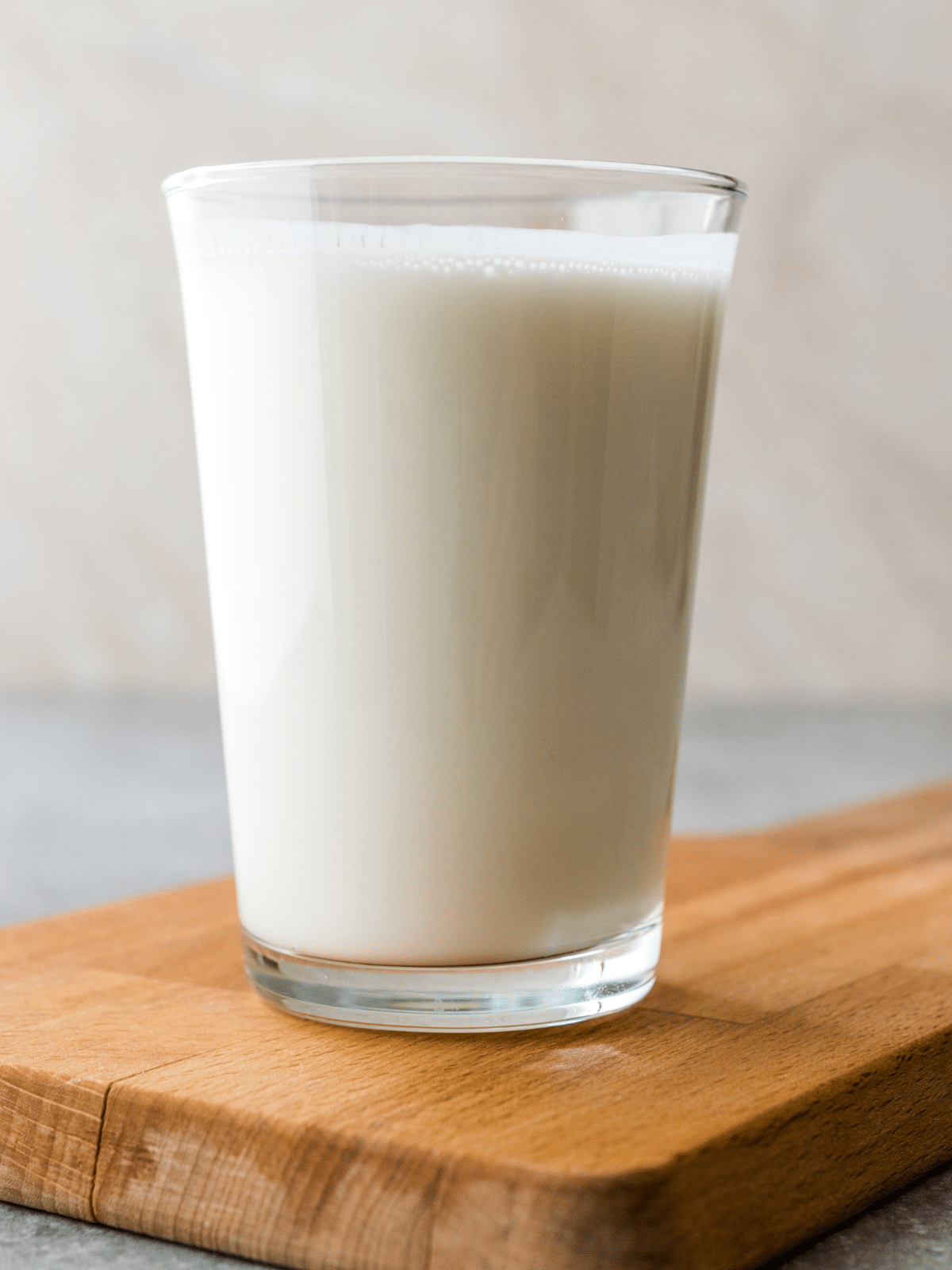
The culinary world is full of delightful paradoxes, and perhaps one of the most common kitchen quandaries involves that partially used carton of buttermilk lingering in the back of your refrigerator. You bought it for a specific recipe – maybe a batch of fluffy pancakes, Southern fried chicken, or those perfect flaky biscuits – only to find yourself with a significant amount left over. Many home cooks are then faced with the age-old question: what to do with leftover buttermilk? Far from being a niche ingredient destined for the drain, buttermilk boasts an incredible array of applications, lending its signature tangy flavor and tenderizing magic to both sweet and savory dishes. It’s an ingredient that adds depth, moisture, and a subtle acidity, elevating ordinary recipes into something truly special.
Before you consider tossing it, remember that buttermilk is remarkably resilient. Its inherent acidity means it often lasts longer than regular milk, frequently staying fresh and good to use well past its printed expiration date. So, don't feel pressured by the clock; instead, let's explore how to transform that extra half-quart into a culinary asset rather than a forgotten dairy product.
The Enduring Charm of Buttermilk: Why You Shouldn't Toss It
Buttermilk, in its traditional form, is the liquid left behind after churning butter. Today, most commercially available buttermilk is cultured: skim or low-fat milk fermented with lactic acid bacteria. This process gives it its characteristic tang, a thicker consistency, and a wealth of properties that make it invaluable in the kitchen. It's not just about flavor; buttermilk plays crucial roles in texture and leavening, making it a baker's best friend and a secret weapon for tenderizing meats.
- Moisture Retention: Its acidity breaks down gluten, resulting in incredibly tender crumbs in baked goods like cakes, muffins, and quick breads.
- Leavening Power: Buttermilk reacts with baking soda to produce carbon dioxide, creating light, airy textures in pancakes, biscuits, and cornbread. This reaction is often more effective and reliable than using just baking powder.
- Tangy Flavor: The subtle sourness balances sweetness in desserts and adds a bright, complex note to savory dishes, preventing them from being flat or overly rich.
- Tenderizing Marinade: The mild acids in buttermilk work wonders on meats, especially chicken, breaking down tough fibers without making them mushy, while also helping coatings adhere better.
Understanding these fundamental benefits makes it clear why what to do with leftover buttermilk - Article 1 is a question with so many delicious answers. It's an ingredient that truly earns its keep, and with a little creativity, you can ensure not a single drop goes to waste.
Sweet Sensations: Indulgent Buttermilk Baking
Buttermilk truly shines in the realm of sweet baking, where its unique properties can transform simple recipes into extraordinary treats. Its acidity mellows the sweetness, adds a depth of flavor, and guarantees a wonderfully moist and tender crumb that's hard to achieve with regular milk.
Buttermilk Cakes and Loaves
Imagine a cake that's not just sweet but also boasts a subtle, sophisticated tang and a melt-in-your-mouth texture. Buttermilk makes this a reality. Consider a Buttermilk Cappuccino Cake, where the buttermilk perfectly balances the richness of espresso, creating a moist crumb that soaks up coffee syrup beautifully, all finished with an espresso Swiss buttercream. Similarly, a Gluten-Free Buttermilk Pound Cake becomes exceptionally delicate and flavorful, especially when berries are folded into the batter. The key here, as with many buttermilk batters, is to add the buttermilk gradually, ensuring it emulsifies correctly for optimal texture and rise.
Muffins and Quick Breads
For breakfast or a delightful snack, Apple Buttermilk Muffins are a revelation. The buttermilk is the secret to their super-moist and pillowy texture, allowing the cinnamon and nutmeg-spiced diced apples to truly sing. You can easily adapt this concept with other fruits like blueberries, raspberries, or even peaches. The same magic applies to quick breads, where buttermilk consistently delivers a tender crumb and a slightly tangy counterpoint to any sweet additions. Don't forget the classic, simple pancakes and waffles – but with these other ideas, you'll see that buttermilk's sweet applications extend far beyond the breakfast table.
Tender Buttermilk Cookies
Even cookies benefit from buttermilk! Take Lemon Sunshine Cookies, for instance. The buttermilk works to keep them wonderfully tender, complementing the double dose of lemon zest and juice. This makes for a bright, cheerful treat that’s perfect for perking up any day. Its role here is subtle but significant, preventing a dry or crumbly texture and enhancing the overall eating experience.
Pro Tip: For baking, if your recipe calls for buttermilk and you're worried about having too much leftover, consider splitting batches or freezing small portions of buttermilk in ice cube trays for future use. Once frozen, transfer the cubes to a freezer-safe bag.
Savory Delights: Elevating Everyday Meals with Buttermilk
While buttermilk's sweet applications are widely celebrated, its savory potential is equally impressive, offering brightness, tenderness, and complexity to a range of dishes.
Cornbread: A Buttermilk Essential
Buttermilk is a cornerstone of many cornbread recipes, and for good reason. Its acidity works synergistically with baking soda to create a beautifully risen, tender crumb. Whether you prefer a classic Southern-style unsweetened cornbread or a sweeter, cake-like Northern version, buttermilk is indispensable. But why stop at the basics? Transform your skillet bread with additions like spicy jalapeños and pepper Jack cheese, or the smoky, savory combination of cheddar, scallions, and bacon. For a truly indulgent experience, consider a tender, nutty brown butter cornbread, where the buttermilk ensures the perfect texture to complement the rich, browned butter flavor.
Brightening Soups and Sauces
Buttermilk adds a vibrant dose of acidity to creamy soups, cutting through richness and providing a necessary brightness that elevates the entire dish. A Roasted-Broccoli Soup, for example, becomes surprisingly complex and delicious with a swirl of buttermilk, especially when topped with toasted pepitas. You can apply this principle to other vegetable purée soups, such as creamy tomato or potato leek, adding the buttermilk towards the end of cooking to prevent curdling from high heat. This creates a luxurious texture and a zesty finish that makes these humble ingredients shine.
Dressings, Dips, and Marinades
Buttermilk is, of course, the star of classic Ranch Dressing, providing its signature tangy, creamy base. But its utility extends far beyond. Whisk it into homemade dips for crudités, or use it as the foundation for a vibrant green goddess dressing. One of buttermilk's most powerful savory applications is as a marinade. Its mild acids tenderize poultry, pork, and even fish without toughening them, making it perfect for creating juicy, flavorful grilled chicken or crispy what to do with leftover buttermilk - Article 2. A quick buttermilk brine can transform even leaner cuts into something succulent.
Beyond the Recipe Book: Creative Buttermilk Hacks
Once you understand buttermilk's core attributes, you can begin to incorporate it into your cooking in even more spontaneous and innovative ways, ensuring that carton never goes to waste.
- Smoothie Enhancer: For a quick and nutritious use, add a splash of buttermilk to your morning smoothie. It provides a creamy texture and a pleasant tang that complements fruits like berries, bananas, or peaches, without adding excessive fat.
- Homemade Whipped Cream Alternative: For a lighter, tangier topping for fruit or desserts, whisk buttermilk with a touch of powdered sugar and a hint of vanilla until it slightly thickens. It won't whip up like heavy cream, but it creates a delicious, refreshing drizzle.
- Buttermilk Biscuits (Quick & Easy): Beyond the classic recipe, think about super quick drop biscuits. Mix buttermilk directly into flour, baking soda, and a touch of fat for incredibly easy, tender biscuits perfect with dinner or jam for breakfast.
- Fermented Vegetables (Quick Pickle Base): While more advanced, buttermilk can be used as a starter culture for certain lacto-fermented vegetables, imparting its unique flavor and beneficial bacteria.
- Lighter Cream Sauces: Swap out some of the heavy cream or milk in your savory cream sauces for buttermilk. It adds a desired tanginess and often makes the sauce feel a bit lighter, perfect for pasta dishes or pouring over roasted vegetables.
The beauty of buttermilk lies not only in its versatility but also in its ability to add a subtle sophistication to familiar dishes. Its unique flavor profile means it rarely overwhelms but always enhances, making it a valuable addition to any home cook's pantry.
Conclusion: Embrace Your Leftover Buttermilk
No longer should a half-empty carton of buttermilk be a source of kitchen anxiety. As we've explored, this humble dairy product is a culinary powerhouse, capable of transforming everything from delicate cakes and muffins to robust cornbread and tender savory mains. Its ability to provide moisture, tenderize, leaven, and impart a delightful tang makes it an indispensable ingredient for any adventurous home cook. So, the next time you find yourself wondering what to do with leftover buttermilk, remember its incredible potential. Dive into a new recipe, experiment with existing favorites, or simply add a splash to a smoothie. Embrace its enduring charm, and you'll discover a world of delicious possibilities that will elevate your cooking and ensure not a single drop goes to waste. For even more ideas on what to do with leftover buttermilk - Article 1 or a deeper dive into its benefits, explore our other guides like what to do with leftover buttermilk - Article 2.
